
"family policy"
500 article(s) found

The Development of Japanese Coffee Culture in Asia
The first coffee spread to Japan was Nagasaki in the Yuanlu period. And people officially accepted it from the Meiji era. Now let's take a look at the coffee history of Japan. At first, the Japanese were not used to the coffee shop opening one after another in Western Europe, when the literature and art of coffee culture were in full bloom, while Japan was in the strict lock-up policy of the Edo era.

A brief introduction to the Origin, Development, History and Culture of Fine Coffee beans in Valenford Manor, Jamaica
The coffee industry in Jamaica faces a series of problems, such as the impact of hurricanes, increased labor costs and difficult mechanization of terraces. Many small estates and farms are difficult to rationalize. As Japan has always invested in the Jamaican coffee industry, Blue Mountain Coffee is mostly owned by the Japanese, and they have also obtained the right of preemption of Blue Mountain Coffee. In 1992, Jamaica was sold to Japan

Japanese Coffee Culture Coffee is appreciated as a "messenger of peace"
The first coffee spread to Japan was Nagasaki in the Yuanlu period. And people officially accepted it from the Meiji era. When coffee shops in Western Europe opened one after another, the literature and art of coffee culture were in bloom, while Japan was in the midst of a strict policy of locking countries in the Edo era. At that time, the first drink coffee was set up at the Dutch store on the island of Nagasaki (1641).
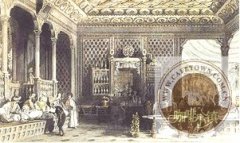
The drinking Culture of Coffee develops the Coffee Culture in Japan
The first coffee spread to Japan was Nagasaki in the Yuanlu period. And people officially accepted it from the Meiji era. When coffee shops in Western Europe opened one after another, the literature and art of coffee culture were in bloom, while Japan was in the midst of a strict policy of locking countries in the Edo era. At that time, the first drink coffee was set up at the Dutch store on the island of Nagasaki (1641).

Cultural Common sense Coffee Culture and History of the Japanese
The first coffee spread to Japan was Nagasaki in the Yuanlu period. And people officially accepted it from the Meiji era. Now let's take a look at the coffee history of Japan. At first, the Japanese were not used to the coffee shop opening one after another in Western Europe, when the literature and art of coffee culture were in full bloom, while Japan was in the strict lock-up policy of the Edo era.

Cultural knowledge of Coffee beans Fine Coffee Culture in Japan
The first coffee spread to Japan was Nagasaki in the Yuanlu period. And people officially accepted it from the Meiji era. Now let's take a look at the coffee history of Japan. At first, the Japanese were not used to the coffee shop opening one after another in Western Europe, when the literature and art of coffee culture were in full bloom, while Japan was in the strict lock-up policy of the Edo era.

The first coffee spread to Japan was Nagasaki in the Yuanlu period.
The first coffee spread to Japan was Nagasaki in the Yuanlu period. And people officially accepted it from the Meiji era. When coffee shops in Western Europe opened one after another, the literature and art of coffee culture were in bloom, while Japan was in the midst of a strict policy of locking countries in the Edo era. At that time, the first drink coffee was set up at the Dutch store on the island of Nagasaki (1641).

Japanese Coffee Culture General knowledge of High-quality Coffee Culture
The first coffee spread to Japan was Nagasaki in the Yuanlu period. And people officially accepted it from the Meiji era. Now let's take a look at the coffee history of Japan. At first, the Japanese were not used to the coffee shop opening one after another in Western Europe, when the literature and art of coffee culture were in full bloom, while Japan was in the strict lock-up policy of the Edo era.

General knowledge of Fine Coffee Culture Coffee Culture and History of the Japanese
The first coffee spread to Japan was Nagasaki in the Yuanlu period. And people officially accepted it from the Meiji era. Now let's take a look at the coffee history of Japan. At first, the Japanese were not used to the coffee shop opening one after another in Western Europe, when the literature and art of coffee culture were in full bloom, while Japan was in the strict lock-up policy of the Edo era.

Yunnan coffee industry development policy Yunnan coffee brand promotion
People's governments of various states and cities, provincial committees, offices, departments and bureaus: in order to thoroughly implement the relevant arrangements of the provincial party committee and provincial government to promote the development of key industries, promote the healthy development of the coffee industry in the province, and speed up the promotion of the coffee industry to become bigger and stronger, with the consent of the provincial people's government, we now put forward the following suggestions: first, the overall requirements (1) the guiding ideology for the comprehensive implementation of the 18th CPC National Congress and the 10th CPC National Congress
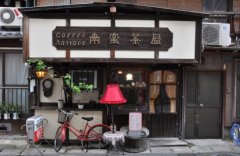
Japanese coffee culture, let's take a look at the coffee history of Japan.
The first coffee spread to Japan was Nagasaki in the Yuanlu period. And people officially accepted it from the Meiji era. Now let's take a look at the coffee history of Japan. At first, the Japanese were not used to the coffee shop opening one after another in Western Europe, when the literature and art of coffee culture were in full bloom, while Japan was in the strict lock-up policy of the Edo era.

Coffee Culture in Japan Let's take a look at the coffee history of Japan.
The first coffee spread to Japan was Nagasaki in the Yuanlu period. And people officially accepted it from the Meiji era. Now let's take a look at the coffee history of Japan. At first, the Japanese were not used to the coffee shop opening one after another in Western Europe, when the literature and art of coffee culture were in full bloom, while Japan was in the strict lock-up policy of the Edo era.

The first cup of start-up coffee sold four years ago has now hatched more than 1400 service startup teams.
At 3 p.m., Jinjiang District Creative Industry Park and the office area on the 22nd floor of Block D of Huirong International Plaza, Tong Wei, a co-founder partner, is convening a monthly work meeting. On the glass partition of Tong Wei's office, the layout of the 12 branches in Chengdu is clear at a glance. Before August 2016, it was called 10 Coffee. In September 2012, the first ten coffee shop officially opened.
The present situation of Blue Mountain Coffee
Blue Mountain Coffee can maintain its top status today, which is also related to the local government's policy of limiting production and ensuring quality. Jamaica is not famous for Blue Mountain Coffee, regardless of the quality of mass production. But to give priority to quality, would rather sacrifice output, but also to protect the blue mountain coffee this gold-lettered signboard. Brazil, the world's largest coffee producer, produces 30 million bags (60 kilograms each) of coffee every year.

Cuban Coffee Culture Cuban Crystal Coffee introduction Fine Coffee beans
Coffee was introduced into Cuba from Dominica in 1748. In Cuba, where the land is fertile and the climate is humid, Rain Water's abundant area has become the most suitable place to grow coffee. After that, coffee began to be grown and developed in Cuba. In the Central Mountains of Cuba, it is the best place to grow Cuban coffee, in which Crystal Mountain coffee is synonymous with top Cuban coffee. (ancient)

The present situation of Blue Mountain Coffee basic knowledge of boutique coffee
Blue Mountain Coffee can maintain its top status today, which is also related to the local government's policy of limiting production and ensuring quality. Jamaica is not famous for Blue Mountain Coffee, regardless of the quality of mass production. But to give priority to quality, would rather sacrifice output, but also to protect the blue mountain coffee this gold-lettered signboard. Brazil, the world's largest coffee producer, produces 30 million bags (60 kilograms each) of coffee every year.

Introduction of coffee beans in San Cristobal area
One of the many plantations in Merida at the foot of the Andes belongs to the Pablo and Pulido families, an ancient farm that has been allowed to downsize. Since taking over the farm in the early 1980s, the Pulido family has harvested coffee from existing bourbon coffee trees and planted new tree species.
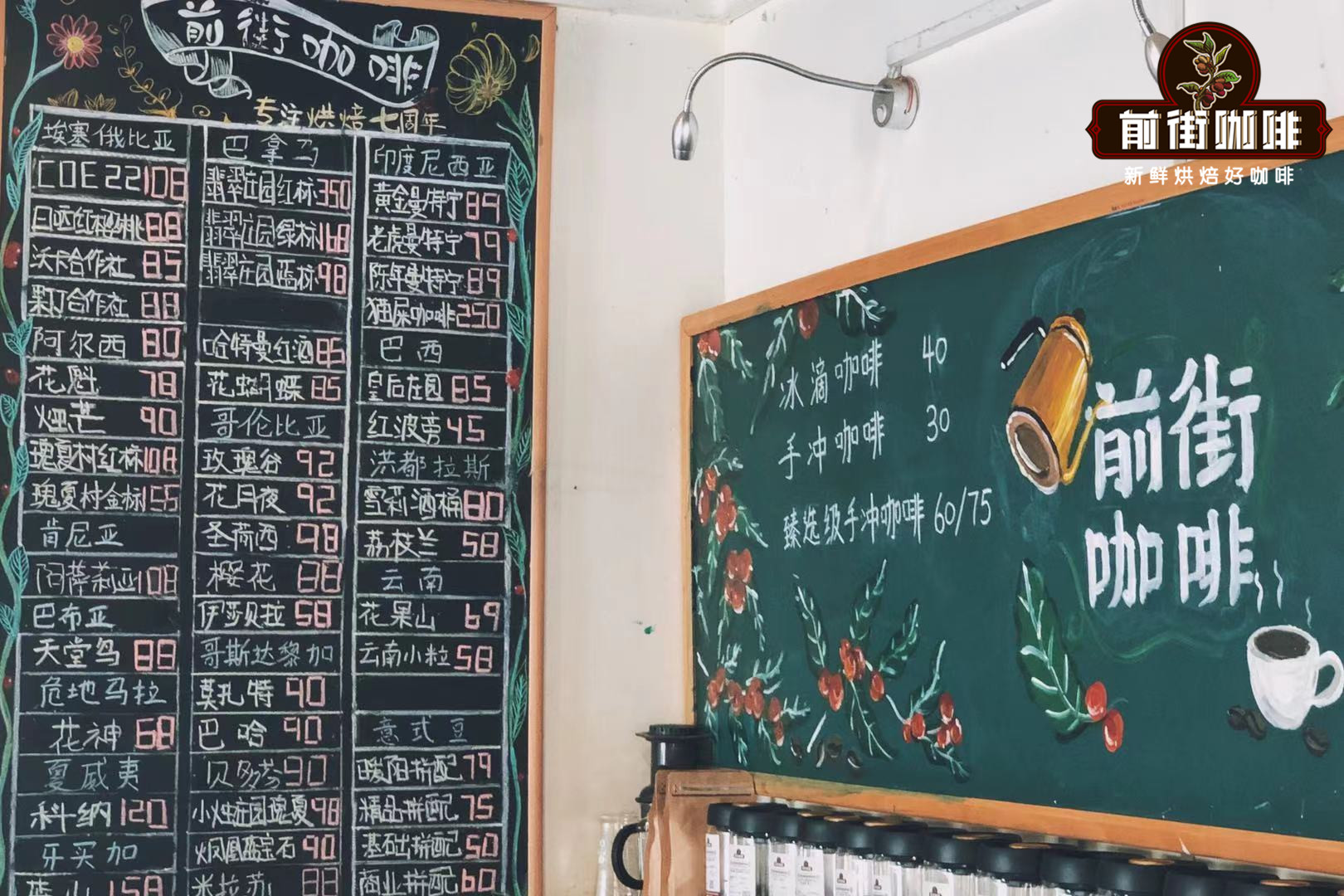
Flavor characteristics of Bolivian Rosa Coffee beans the story of Bolivian Rosa cousin Java Coffee
Professional coffee knowledge exchange more coffee bean information please follow the coffee workshop (Wechat official account cafe_style) Bolivia is an interesting place, although it is known as the paradise of coffee growth, but its production has not been high. Qianjie Coffee has been served in Bolivian coffee several times, and its exquisite flavor is very impressive. The history of Bolivia is very interesting, though

The present situation of the basic knowledge of Fine Coffee Blue Mountain Coffee
Blue Mountain Coffee can maintain its top status today, which is also related to the local government's policy of limiting production and ensuring quality. Jamaica is not famous for Blue Mountain Coffee, regardless of the quality of mass production. But to give priority to quality, would rather sacrifice output, but also to protect the blue mountain coffee this gold-lettered signboard. Brazil, the world's largest coffee producer, produces 30 million bags (60 kilograms each) of coffee every year.

Mild flavor of Costa Rica Saint Roman Coffee Manor flavor and taste characteristics of boutique coffee beans
The Supreme Court is the highest judicial body, composed of 22 judges for a term of eight years. At the end of his term of office, he or she may be automatically re-elected if there is no objection from the members of Parliament. There are four courts, the first, second and third tribunals are each composed of five judges, and the fourth court (Constitutional Court) is composed of seven judges and has the final power to interpret the Constitution. The Chief Justice shall be appointed by the Legislative Assembly for a term of eight years and may be re-elected. Highest